
Panel 3 of 7
Revolution Comes to Islip
In brief
When the American Revolution reached Long Island, it came right into Islip's homes and farms. Isaac Thompson of Sagtikos Manor had to protect his family while the British occupied the area for six years.
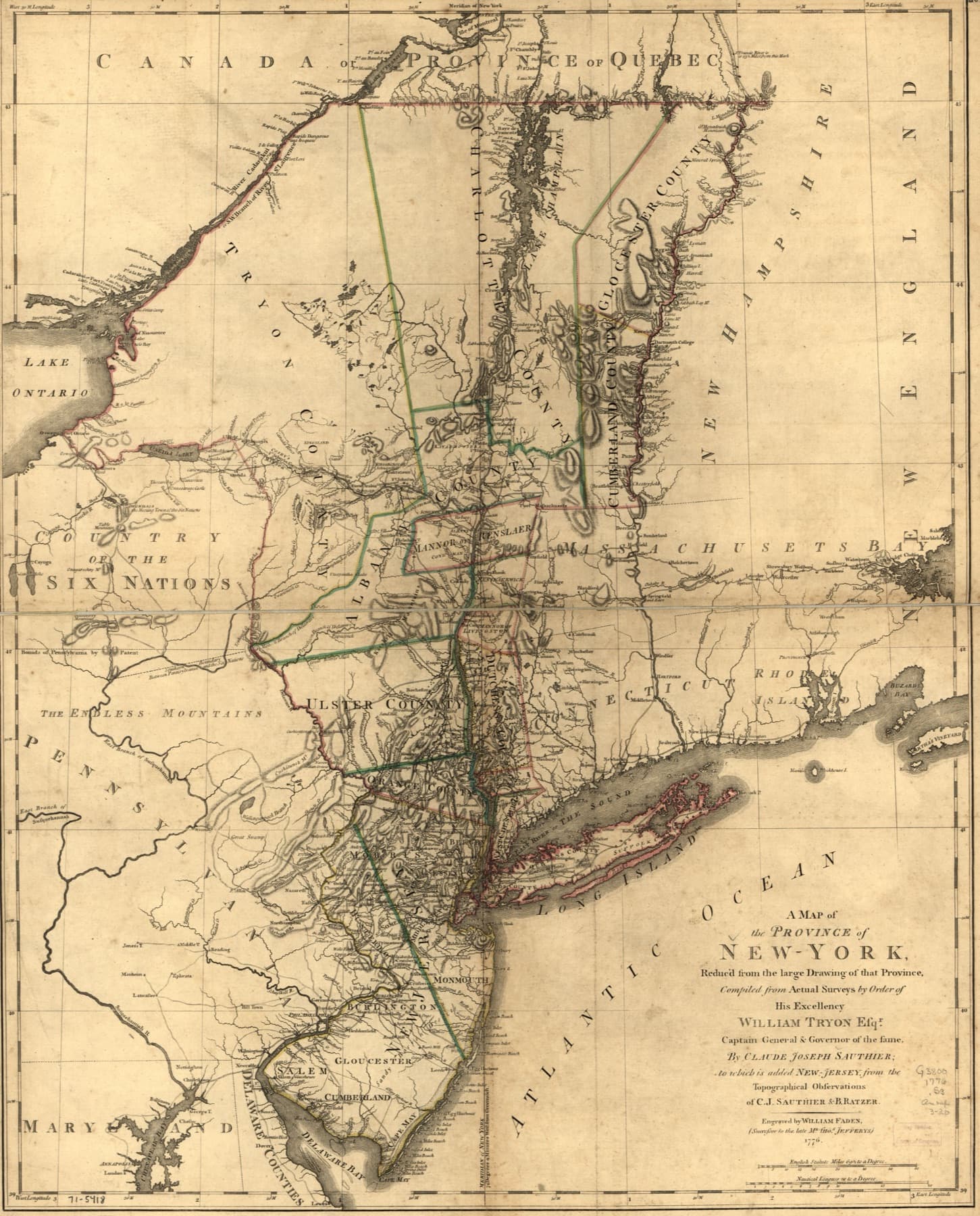
When the American Revolution reached Long Island, Islip could not stand apart from it, and the choice came early. On May 10, 1775, weeks after the fighting at Lexington and Concord, residents of Islip Precinct met and signed the Articles of Association, a pledge to support the Continental Congress. Signing was dangerous, because it was treason against the Crown. Isaac Thompson of Sagtikos Manor signed even though he was a Crown magistrate and the precinct's supervisor.
Islip also organized to defend itself. A June 1775 census counted 375 residents and 64 men eligible for militia service. Rather than stay split between the Smithtown and Huntington companies, the precinct formed its own. In February 1776, Isaac Thompson wrote to the Provincial Congress asking for commissions for the officers the people had chosen, naming Benajah Strong as captain of a company of about 36 or 37 men.
The town's own minute book records the change from the inside. At the annual meeting of April 1775, Benajah Strong and Isaac Thompson were elected overseers of the highways, ordinary town jobs. A year later, in April 1776, the same meeting elected Thompson supervisor, and the clerk recorded that “A Gun and the accutriments” had been “paid for at Said Town Meeting which are the property of the towns.” The minutes never say what the gun was for. The town simply bought it, wrote it down, and went on with its business, three months before independence was declared.
That summer the war arrived in force. After the Declaration of Independence was read at Huntington in July 1776, Suffolk County militia marched west, likely under the Liberty flag raised at Huntington, toward the Battle of Long Island. The Continental Army was defeated in Brooklyn, and by September 1, 1776, British and Loyalist forces occupied Long Island. Islip would remain under Crown authority for six years.
The Revolution was not only something happening in Philadelphia or on distant battlefields. In Islip it entered houses, farms, roads, and family relationships. The question was not only who supported independence, but how people survived when the war came into their daily lives.
Sources
- Town of Islip Historian's Office, “A 250th Story.”
- George J. Munkenbeck, “Isaac Thompson — A Man on a Tightrope.”
- Michele Antonio, “George Washington Slept at Sagtikos Manor,” Patch, June 26, 2010 (updated June 27, 2010). Secondary local-history source.
- “The Islip Precinct Articles of Association,” May 10, 1775.
- Robert Finnegan, “Islip Militia: 250th Anniversary, 1776–2026,” The Quahog, Winter 2026.
- Carl A. Starace, ed., Book One of the Minutes of Town Meetings and Register of Animal Ear Marks of the Town of Islip, 1720–1861 (Town of Islip, 1982); digitized by the Office of the Town Historian.