
Panel 2 of 7
Before the Town
In brief
Islip did not begin on a single day. It grew from Native land, to a colonial land purchase in 1683, to a local government in 1710. Its story started long before it was called a town.
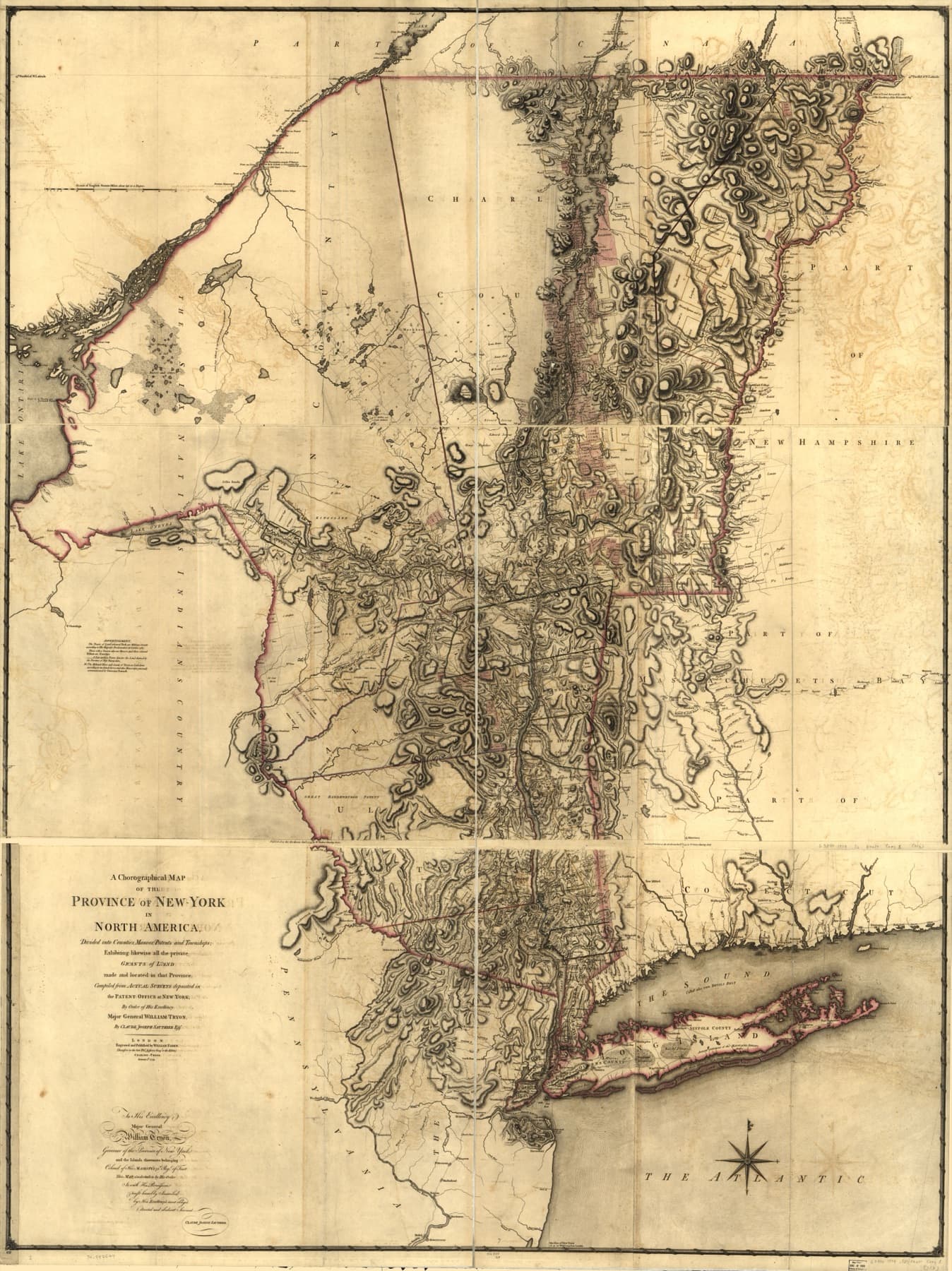
The Town of Islip did not begin on one simple founding date. The 1683 purchase that became “Islip Grange” was a land purchase, not the founding of the town government. The original deed came from Winnaquaheagh, Sachem of the lands in today's Islip Town, to William Nicoll, and it described the land through rivers, shoreline, and boundary lines, a reminder that colonial claims were mapped onto land that already held Indigenous history and meaning.
Local government came later. In 1710 a colonial act allowed the Precinct of Islip to elect its own assessors, a collector, a constable, and a supervisor, and to keep its own public accounts. That act, not the 1683 purchase, is the real beginning of Islip's government.
By 1720 the town records show power tied closely to land. The first election involved 28 freeholders, that is, qualified voters who were male property holders, and four of the five officials elected shared surnames with patentee families. So Islip's origin is layered: Indigenous land, colonial purchase, royal patent, precinct government, and family power. The promise of independence would later arrive in a place where questions of land, authority, and belonging already ran deep.
The town's first minute book shows what that early government actually did. Every April, at the annual town meeting, neighbors elected a supervisor, a clerk, assessors, a collector, a constable, overseers of the poor, overseers of the highways, and fence viewers. They made rules about hogs and boars running loose, kept the town's accounts to the penny, and paid for the care of poor neighbors, like Hannah Hulse, boarded at a set weekly rate in 1739. Long before the Revolution, running the town was already a shared, yearly habit.
Sources
- George J. Munkenbeck, “The Origins of the Town of Islip.”
- Carl A. Starace, ed., Book One of the Minutes of Town Meetings and Register of Animal Ear Marks of the Town of Islip, 1720–1861 (Town of Islip, 1982); digitized by the Office of the Town Historian.